
Adaptations for Science PSLE: Key Concepts and Study Tips
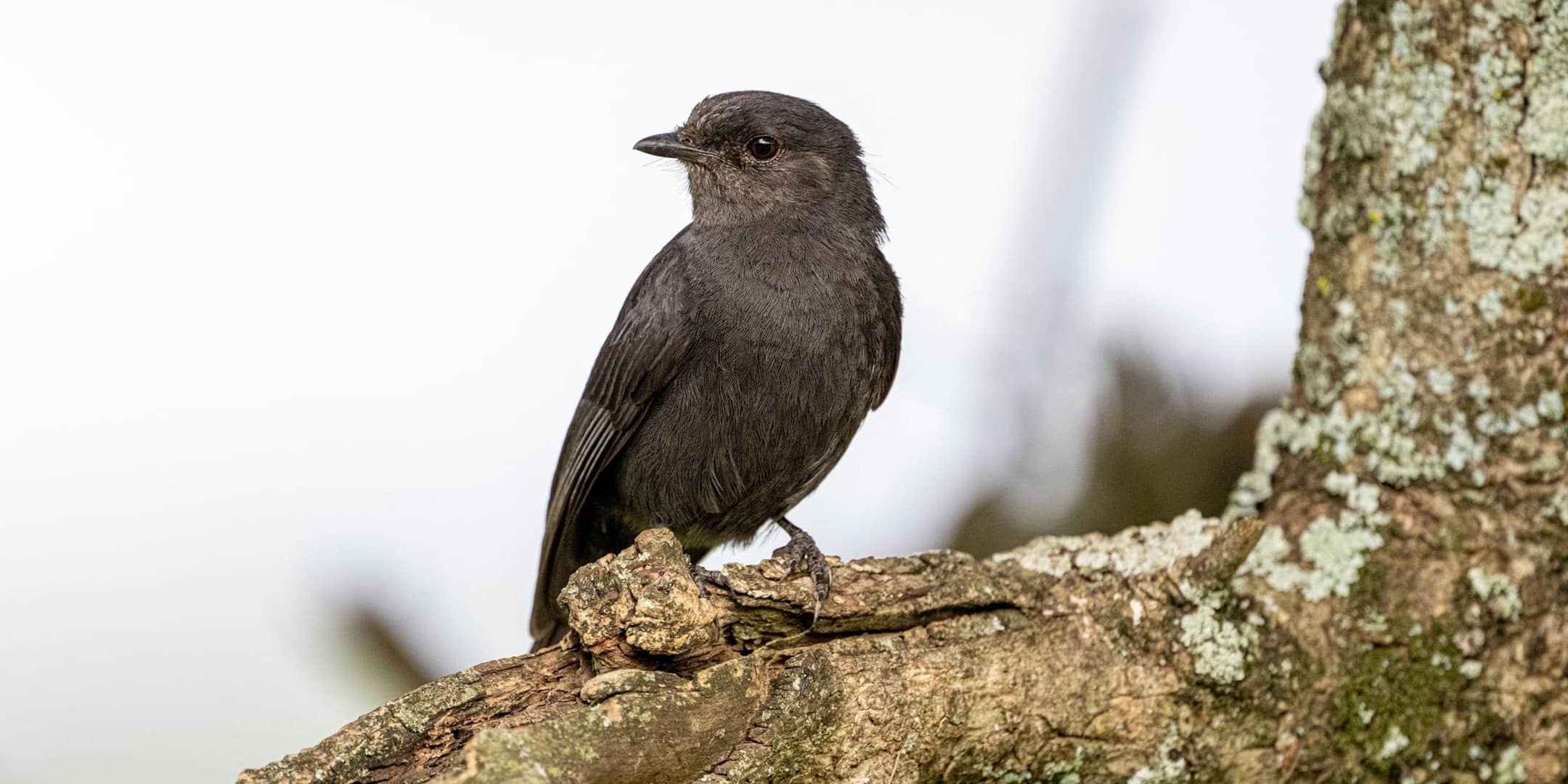
The topic of adaptations is a key component in the PSLE Science syllabus, particularly under the themes of Diversity and Interactions. MOE includes this to help students understand how organisms survive and thrive in their environment. Yet, many students find this topic confusing, especially when faced with application-based or diagrammatic questions.
In this article, we will break down the key concepts, common question types, and effective study strategies to help your child master adaptations for Science PSLE with clarity and confidence.
Why Is the Topic of Adaptations Important?
Adaptations are changes or features that help plants and animals survive in their environment. In the PSLE Science exam, adaptation questions often test a student’s ability to apply knowledge rather than recall facts. This makes it one of the most concept-heavy and application-based topics in the paper.
According to past PSLE trends, adaptation-related questions make up around 10–15% of the overall Science exam, making it essential for scoring well.
Key Concepts Students Must Know
1. Types of Adaptations
There are three main types of adaptations covered in the PSLE Science syllabus:
Structural Adaptations: Physical features like the long neck of a giraffe or thick fur on a polar bear.
Behavioural Adaptations: Actions animals take, like migration or nocturnal hunting.
Physiological Adaptations: Internal processes, such as a camel storing fat in its hump.
Students should be able to identify and explain how each type helps the organism survive.
2. Adaptations in Different Environments
Be familiar with how organisms adapt in:
- Hot and dry habitats (e.g. desert plants with waxy leaves)
- Cold climates (e.g. arctic foxes with thick fur)
- Aquatic environments (e.g. streamlined fish bodies)
- Rainforests (e.g. broad leaves to capture sunlight)
Questions often ask why a specific adaptation is useful in that environment.
3. Function Over Appearance
One common mistake students make is to describe what they see, rather than what the adaptation does. For example, rather than saying “the cactus has spines,” students should say “the spines reduce water loss by limiting surface area.” Always link structure to function.
Common PSLE Science Question Types on Adaptations
Understanding the question format is crucial in preparing for PSLE. Here are the typical types of questions on adaptations:
1. Diagram-Based Questions
Students are shown images of animals or plants and asked to describe or explain how certain features help them survive. These often appear in Section B of the exam.
2. Comparison Questions
These questions compare two organisms in different environments. For example, “Compare how a desert fox and an arctic fox are adapted to their environments.”
3. Reasoning or Application Questions
These require students to apply what they know to unfamiliar organisms or situations. For instance, “A new species of bird has been discovered in a cold region. Suggest two possible adaptations it may have.”
These types of questions test higher-order thinking skills, so understanding key concepts is essential.
Study Tips to Master Adaptations for Science PSLE
1. Use Concept Maps
Visual aids like mind maps help students link organisms to their respective environments and adaptations. For example, link desert → cactus → waxy coating → reduces water loss.
2. Practice With Real PSLE Questions
Practising actual PSLE questions or those modelled after them helps students get used to phrasing and structure.
3. Apply the "SEE" Technique
Teach your child to use the SEE method when answering:
S: State the adaptation
E: Explain what it does
E: Explain how it helps the organism survive
This format ensures answers are structured and clear.
4. Use Real-Life Examples
Watch short documentaries or YouTube clips about animal behaviour and plant life. Relating classroom concepts to real-life visuals enhances memory retention.
Correct Common Misconceptions
For example, students often think camels store water in their humps, but it is fat. Clarifying such misconceptions early on is key to accurate answers.
Final Tips for Parents
Supporting your child in Science does not require a deep understanding of every topic. Here is what you can do:
- Discuss everyday examples: Ask questions like “Why do ducks have webbed feet?”
- Use flashcards to test concept recall.
- Encourage self-explanation: Let them explain adaptations back to you in their own words.
- Schedule regular revision to build long-term memory
And remember that consistency is more important than cramming.
Adaptations for Science PSLE is a high-yield topic that offers numerous scoring opportunities, but only if your child understands how to apply the concepts effectively. With structured practice, exposure to various question types, and the right strategies, such as SEE, your child will be better equipped to answer confidently and accurately.
By mastering the topic of adaptations, your child is not only preparing for the exam, but also developing a deeper understanding of the subject. They are learning how living things survive and thrive in our ever-changing world. Visit Mavis Tutorial Centre to get more details!