
Higher Chinese vs Chinese: What Parents Should Know Before Choosing
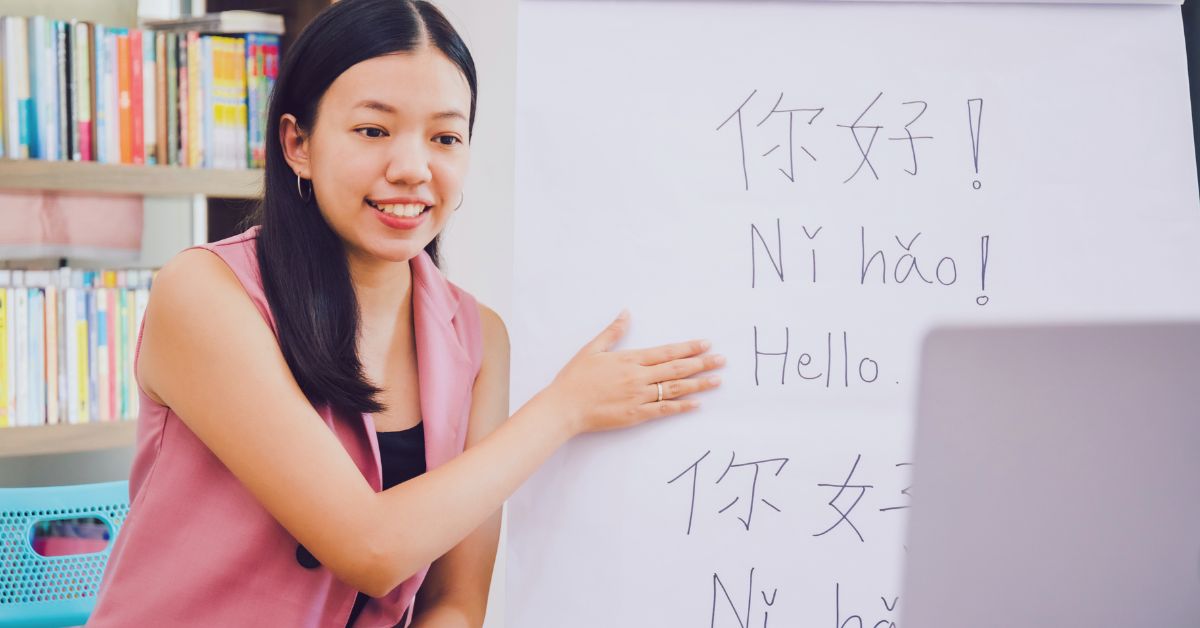
Should your child take Higher Chinese or Chinese? It's a question many parents face, especially when their child is already doing well in the subject.
Higher Chinese gives students the opportunity to develop stronger language skills, but it also comes with more demanding vocabulary, comprehension and writing. A child who's scoring well in Chinese won't necessarily find Higher Chinese easy.
Rather than asking which option is "better", look at your child's ability, confidence, interest and overall workload. Here's what parents should consider before choosing.
Key Takeaways
|
What's the Difference Between Chinese and Higher Chinese?
Both subjects develop Chinese language skills, but Higher Chinese requires students to work with the language at greater depth.
Area | Chinese | Higher Chinese |
Vocabulary | Builds core vocabulary | Requires a wider vocabulary |
Reading | Focuses on understanding texts | Requires deeper understanding |
Comprehension | Tests understanding and application | Requires more careful interpretation |
Writing | Develops clear written expression | Requires stronger language and expression |
Learning demand | Standard curriculum expectations | More demanding language work |
Suitable for | Students building Chinese proficiency | Students with a stronger foundation |
The difference isn't simply the amount of work. It's also about how confidently students can understand and use Chinese.
Is Higher Chinese Much Harder Than Chinese?
Higher Chinese is more demanding, but how difficult it feels depends on the student.
A child who reads Chinese regularly and understands unfamiliar passages may adjust more easily. A student who depends heavily on memorising vocabulary or model answers may find it harder.
For example, a student might memorise:
帮助 — to help
Knowing the definition is useful, but it's only the first step. The student also needs to recognise the word in a passage, understand how it's being used and use it correctly in a sentence.
Students need to move from:
"I remember this word."
to:
"I understand this word and can use it correctly."
The same applies to comprehension and composition.
How Can You Tell If Your Child Is Ready for Higher Chinese?
Don't look at the overall grade alone. Look at how your child achieves that grade.
Check How Independently Your Child Works
Ask yourself:
- Can my child read a Chinese passage without asking for help every few sentences?
- Can they understand the main idea?
- Can they write without depending heavily on model compositions?
- Can they work out some unfamiliar words from context?
- Can they complete Chinese homework reasonably independently?
Your child doesn't need to be perfect. You're looking for a reasonably strong and independent foundation.
Look at Different Chinese Skills Separately
A good overall score can hide specific weaknesses. Your child might perform well in vocabulary exercises but struggle with comprehension, or speak Chinese confidently but find composition difficult.
Look separately at:
- vocabulary;
- comprehension;
- composition;
- oral communication;
- reading; and
- sentence construction.
This gives you a clearer picture of readiness.
Consider Their Interest in Chinese
Interest matters too.
A child who enjoys Chinese stories, conversations or suitable programmes gets more exposure to the language. If your child already finds regular Chinese stressful, adding more demanding work may increase frustration rather than improve learning.
Does a Good Chinese Score Mean Your Child Should Take Higher Chinese?
Not always.
Imagine two students who both score 85 marks.
Student A reads Chinese confidently, understands unfamiliar passages and writes independently.
Student B also scores 85 but relies heavily on memorised phrases, repeated drilling and help from parents.
Their marks are the same, but their readiness may be very different.
Look at four areas:
- Understanding – Does your child understand why an answer is correct?
- Independence – Can they complete unfamiliar work without constant help?
- Application – Can they use their language skills in new questions?
- Consistency – Are they reasonably comfortable across different Chinese components?
These can tell you more than one examination score.
What Are the Benefits of Taking Higher Chinese?
The main benefit is the opportunity to develop stronger Chinese proficiency.
Students can work towards:
- a wider vocabulary;
- stronger reading skills;
- better comprehension;
- clearer written expression;
- greater confidence using Chinese; and
- a deeper understanding of the language.
For students taking Higher Chinese at primary level, their PSLE Higher Chinese result may also provide a posting advantage when applying to SAP secondary schools. Students do not need to take Higher Chinese to enter an SAP school, but among students with the same PSLE Score competing for limited places, those with better Higher Chinese grades are given priority.
However, this shouldn't be the only reason for choosing Higher Chinese. Your child's language ability, interest and ability to manage the workload should come first.
When Might Chinese Language Be More Suitable?
Choosing Chinese Language instead of Higher Chinese isn't a negative decision. It may simply suit your child's current needs better.
Strengthening the foundation first may be useful if your child:
- regularly struggles with Chinese passages;
- has a limited working vocabulary;
- needs significant help with homework;
- finds it difficult to form complete sentences;
- relies heavily on memorised composition phrases; or
- is already struggling with their school workload.
For example, if your child can't identify the main idea of a comprehension passage without translating most of it into English, giving them harder passages probably won't solve the problem.
Work on comprehension first.
If your child needs structured help in these areas, Chinese tuition in Singapore for Primary and Secondary students can provide guided practice in vocabulary, comprehension and writing based on the skills they need to strengthen.
How Can Your Child Prepare for Higher Chinese?
A few consistent habits can make a real difference.
Read Chinese Regularly
Start with 10 to 15 minutes using suitable stories, short articles, children's news, comics or school reading materials.
Don't choose something so difficult that your child has to check every second word. The aim is to build regular exposure and confidence.
Learn Vocabulary Through Sentences
Don't only memorise:
紧张 = nervous
Use it:
比赛开始前,我感到非常紧张。
After reading, choose three useful new words. Learn their meanings and use each one in a sentence. This helps students understand how vocabulary works in context.
Use Chinese in Everyday Conversations
Chinese doesn't always have to feel like a lesson.
Talk about what happened at school, weekend plans, dinner or a programme your child watched. Even short conversations give children opportunities to retrieve and use vocabulary naturally.
Keep Track of Common Mistakes
If the same mistakes keep appearing, write them down.
Problem | What to Do Next Time |
Doesn't understand a word | Read the surrounding sentences for clues |
Comprehension answer is too broad | Check exactly what the question asks |
Composition lacks detail | Add actions, feelings or descriptions |
Review the list before the next exercise so your child has something specific to work on.
Higher Chinese or Chinese: Choose What Fits Your Child
There's no single answer to the Higher Chinese vs Chinese question.
If your child has a strong foundation, works independently, enjoys Chinese and can manage the additional challenge, Higher Chinese may give them the opportunity to develop their language skills further.
At Mavis Tutorial Centre, Chinese lessons help students strengthen vocabulary, comprehension, writing and exam skills through structured practice suited to their learning needs.
Want to help your child build stronger Chinese skills and better learning habits? Contact Mavis Tutorial Centre to find out more about our Chinese programmes for Primary and Secondary students.
Frequently Asked Questions
Higher Chinese requires students to work with the language at greater depth, including stronger vocabulary, comprehension and written expression. Chinese focuses on building the core language skills expected at the student's level.