
From Primary 6 to Secondary 1: What Parents Should Know
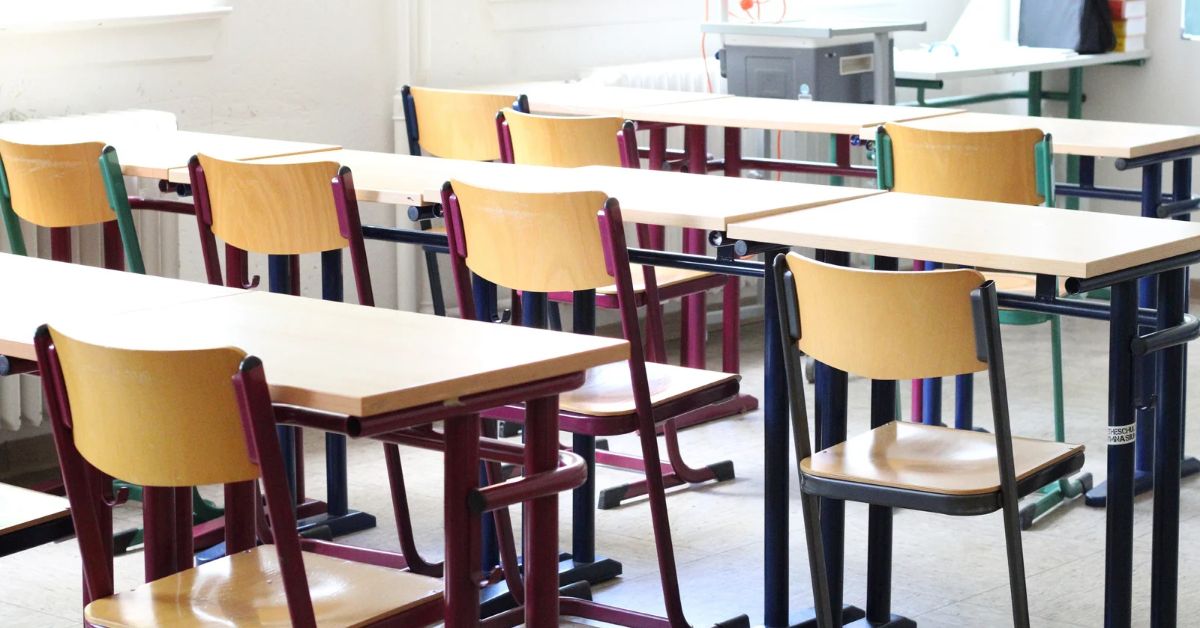
Moving from Primary 6 to Secondary 1 is an important milestone in a child's education. After completing the PSLE, students enter a new learning environment with different subjects, teachers, classmates and expectations.
The primary to secondary school transition involves more than adjusting to a new timetable. Students also need to develop independent study habits, manage responsibilities and build confidence in unfamiliar situations.
For parents in Singapore, understanding these changes can make it easier to support their children without adding unnecessary academic pressure.
Key Takeaways
|
What Changes from Primary 6 to Secondary 1?
Secondary school introduces changes in both academic learning and daily routines. Understanding these differences helps parents prepare their children realistically.
Area | Primary 6 | Secondary 1 |
Subjects | Focus on primary-level subjects | Broader curriculum, including new subjects |
Teachers | Often fewer subject teachers | Different teachers for different subjects |
Homework | More familiar routines | Greater need for independent planning |
Learning | Primary-level concepts and examination preparation | More detailed concepts and subject-specific skills |
School activities | Primary school activities and CCAs | New CCA choices and commitments |
Independence | More parental guidance | Greater personal responsibility |
Not every student adjusts at the same pace. Some settle in quickly, while others need time to become comfortable with their new environment.
Understanding Full Subject-Based Banding in Singapore
One important change parents should understand is Full Subject-Based Banding (Full SBB).
Under this system, students entering mainstream secondary schools are posted through Posting Groups 1, 2 or 3 instead of the former Express, Normal (Academic) and Normal (Technical) streams.
Students may take subjects at different levels, known as G1, G2 and G3, depending on their learning needs, strengths and eligibility.
This provides greater flexibility for students to develop their abilities across different subjects.
Parents should understand that a child's Posting Group does not necessarily determine the level of every subject throughout secondary school.
7 Ways Parents Can Prepare Their Child for Secondary 1
1. Encourage Independent Study Habits
In primary school, some children rely heavily on parents to remind them about homework and revision.
Secondary school is a good time to become more independent.
Parents can gradually encourage children to:
- Record homework and deadlines.
- Prepare school materials independently.
- Plan revision without constant reminders.
- Ask teachers for help when needed.
- Take responsibility for incomplete work.
Start with small responsibilities instead of expecting complete independence immediately.
For example, let your child organise their schoolbag and review the next day's timetable independently.
2. Strengthen Important Academic Foundations
Secondary 1 lessons build on concepts introduced during primary school.
Students who struggle with basic mathematical operations, reading comprehension or scientific concepts may find some new topics challenging.
Before the school year begins, parents can encourage light revision in:
- English reading and writing
- Mathematics fundamentals
- Mother Tongue vocabulary
- Basic Science concepts
Avoid turning the school holidays into an intensive revision period.
Short, focused sessions can help students refresh important concepts while still enjoying their break.
3. Introduce Better Time Management
Secondary school students may need to balance homework, revision, CCAs, travel and personal interests.
Without proper planning, assignments can accumulate.
Help your child create a simple weekly schedule that includes:
- School hours
- Homework
- Revision
- CCA commitments
- Meals and rest
- Family time
- Recreational activities
Encourage your child to complete important tasks before spending long periods on entertainment.
The aim is to develop a manageable routine rather than fill every available hour with studying.
4. Prepare for New Subjects and Learning Expectations
Secondary 1 introduces a broader range of subjects and different teaching approaches.
Students may encounter more detailed scientific explanations, algebraic concepts, humanities topics and longer written assignments.
Rather than trying to study the entire Secondary 1 syllabus in advance, encourage your child to develop useful learning habits.
These include taking notes, asking questions, reviewing lessons and explaining concepts in their own words.
Understanding how to learn independently is often more useful than memorising new material before school begins.
5. Help Your Child Adjust Socially
Entering secondary school also means meeting new classmates and building friendships.
Some students may feel excited, while others worry about fitting in.
Parents can support them by discussing:
- Making new friends
- Respecting different personalities
- Managing disagreements
- Asking for help when uncomfortable
- Handling peer pressure
Encourage your child to share experiences without feeling that every conversation must become a lesson.
Simple questions such as "What was the best part of your day?" can make discussions feel more comfortable.
6. Encourage Healthy Routines
A new school schedule may involve earlier mornings, longer travelling times or additional commitments.
Healthy daily habits can help children manage these changes.
Encourage:
- Consistent sleeping and waking times
- Regular meals
- Physical activity
- Breaks between study sessions
- Reasonable screen-time boundaries
Avoid sacrificing sleep to complete unnecessary extra revision.
Students need time to rest, socialise and enjoy activities outside academic learning.
7. Keep Communication Open
As children grow older, they may want greater privacy and independence.
Parents can remain supportive without checking every assignment or constantly asking about grades.
Try setting aside time each week to discuss school experiences.
Ask about lessons, friendships, challenges and activities they enjoy.
When your child shares a problem, listen before offering advice.
This helps children feel comfortable seeking support when they encounter difficulties.
Common Challenges During the First Term of Secondary School
Even well-prepared students may experience difficulties during their first few months.
Some common challenges include:
Difficulty managing homework: Students may underestimate how long assignments take.
Struggling with unfamiliar subjects: New concepts may require different study approaches.
Feeling overwhelmed: Adjusting to new teachers, classmates and routines can take time.
Poor time management: Balancing CCAs and academic responsibilities may initially be difficult.
Lack of confidence: Students may compare themselves with classmates and become discouraged.
Parents should avoid treating every early difficulty as a serious academic problem.
Instead, observe whether the challenge improves as your child becomes familiar with the school environment.
When Should Parents Consider Additional Academic Support?
Some students settle into Secondary 1 comfortably but continue struggling with particular subjects.
For example, a student may understand basic Mathematics but find algebra difficult, or manage short English passages while struggling with longer comprehension questions.
If these difficulties persist, targeted support may help.
Parents considering secondary school tuition for a smoother academic transition can look for programmes that strengthen foundational concepts, provide structured practice and help students develop independent learning skills.
Additional lessons should address specific learning needs rather than simply increase the amount of homework students receive.
How Mavis Tutorial Centre Can Support Your Child
Moving into secondary school is a new chapter that requires patience, preparation and consistent encouragement.
At Mavis Tutorial Centre, students can receive structured academic guidance to strengthen subject understanding, address learning gaps and develop confidence as they progress through their school years.
Help your child prepare for the academic demands of secondary school. Contact Mavis Tutorial Centre to learn more about our secondary school tuition programmes.
Frequently Asked Questions
Parents can encourage independent study habits, strengthen basic academic skills, establish daily routines and discuss the social changes associated with secondary school.