
Advanced Chinese Vocabulary: How to Build and Use It in Composition

Using advanced Chinese vocabulary can make a composition more expressive, but learning difficult words alone will not improve writing. Students need to understand what each word means, when to use it and how it fits naturally into a sentence.
For primary school students in Singapore, building a stronger vocabulary can help them describe emotions, develop characters and express ideas more clearly in Chinese composition writing. The goal is not to fill every paragraph with impressive phrases, but to choose words that make the story more meaningful.
Here are practical ways to build vocabulary and apply it confidently.
Key Takeaways
|
Why Is Advanced Chinese Vocabulary Important for Composition?
Vocabulary helps students express ideas with greater accuracy. Instead of repeating basic words such as 开心 (happy), 难过 (sad) or 害怕 (afraid), students can gradually learn expressions that describe emotions more precisely.
For example:
Basic: 他很开心。
(He was very happy.)
Improved: 他欣喜若狂,脸上露出了灿烂的笑容。
(He was overjoyed, with a bright smile on his face.)
The second sentence creates a clearer picture of the character's feelings.
However, advanced vocabulary should suit the situation. Using a complicated expression incorrectly can make a sentence confusing rather than impressive.
Useful Chinese Vocabulary for Composition Writing
Students can start by learning vocabulary commonly used to describe emotions, actions and situations.
Category | Chinese Vocabulary | Meaning |
Happiness | 欣喜若狂 | Overjoyed |
Nervousness | 忐忑不安 | Feeling uneasy or anxious |
Disappointment | 垂头丧气 | Looking dejected |
Surprise | 目瞪口呆 | Stunned or speechless |
Regret | 后悔莫及 | Deeply regretful |
Perseverance | 坚持不懈 | Persevering without giving up |
Impatience | 迫不及待 | Unable to wait |
Carefulness | 小心翼翼 | Extremely careful |
Students do not need to memorise everything immediately. Choose a few useful expressions each week and practise applying them in different sentences.
5 Practical Ways to Build Advanced Chinese Vocabulary
1. Learn Vocabulary Through Reading
Reading Chinese stories, short articles and model compositions exposes students to words used in meaningful situations.
When you discover an unfamiliar expression, read the entire sentence before checking its meaning.
Ask yourself:
- What is happening in the passage?
- What does the expression describe?
- Is it used positively or negatively?
- Can I use it in my own writing?
This helps students understand how words work instead of remembering only their English translations.
2. Create a Vocabulary Bank by Theme
Organising vocabulary by theme makes it easier to recall useful expressions during composition writing.
For example, create separate sections for:
- Happiness and excitement
- Fear and nervousness
- Anger and disappointment
- Friendship and kindness
- Challenges and determination
- Regret and reflection
Under each theme, record a few expressions and example sentences.
When writing a story about helping a friend, students can revisit their vocabulary bank for suitable words describing kindness, gratitude or friendship.
3. Practise Upgrading Simple Sentences
One effective exercise is to take a basic sentence and make it more descriptive without changing its meaning.
Basic: 我很紧张。
(I was very nervous.)
Improved: 我的心怦怦直跳,双手不停地冒汗。
(My heart was pounding, and my palms kept sweating.)
Notice that the improved sentence does not simply replace one word. It describes physical reactions to help readers understand the emotion.
Try upgrading two or three sentences after each writing practice.
4. Learn the Difference Between Similar Expressions
Some Chinese words have similar meanings but are not interchangeable.
For example:
- 高兴 – Happy
- 兴奋 – Excited
- 欣慰 – Relieved and pleased
- 欣喜若狂 – Extremely delighted
A student who receives an unexpected birthday gift might feel 兴奋, while a parent seeing their child overcome a challenge might feel 欣慰.
Understanding these differences helps students select expressions that match the situation.
5. Reuse New Words in Different Situations
Learning a word once does not mean you will remember it during an examination.
After learning a new expression, try using it in:
- An original sentence.
- A short paragraph.
- A picture-based story.
- A later composition exercise.
Reusing vocabulary in different contexts strengthens recall and helps students become more comfortable applying it independently.
How to Use Advanced Vocabulary Naturally in Chinese Composition
A common mistake is adding too many advanced expressions simply to make a composition sound impressive.
Good writing requires balance.
Choose Words That Match the Situation
Imagine a character who has misplaced an important school assignment.
Instead of writing:
他很害怕。
(He was afraid.)
You could write:
他心急如焚,翻遍书包寻找那份作业。
(He was extremely anxious and searched through his schoolbag for the assignment.)
The expression supports the situation and helps readers understand the character's urgency.
Avoid Forcing Expressions Into Every Sentence
Not every sentence needs a Chinese idiom or elaborate description.
Use advanced vocabulary when it helps to:
- Describe an important emotion.
- Highlight a character's reaction.
- Build tension.
- Make an action clearer.
- Strengthen the story's ending.
Simple sentences are equally important for keeping the story easy to follow.
Common Vocabulary Mistakes Students Should Avoid
When practising Chinese composition, watch out for these mistakes:
Memorising without understanding: Students may remember an expression but use it in the wrong situation.
Repeating the same phrases: Using identical descriptions throughout a composition can make the writing repetitive.
Overusing idioms: Too many idioms may interrupt the story's natural flow.
Ignoring sentence structure: Even suitable vocabulary can weaken writing when combined with incorrect grammar.
Choosing difficult words unnecessarily: Clear and accurate expression is more useful than complicated wording that does not fit the context.
After completing a composition, reread it and check whether every advanced expression adds something meaningful.
A Simple Weekly Vocabulary Practice Routine
Building vocabulary does not require hours of daily memorisation.
Students can try this manageable routine:
- Monday: Learn three new expressions from a reading passage.
- Tuesday: Write an original sentence using each expression.
- Wednesday: Group the expressions by theme.
- Thursday: Upgrade three basic sentences.
- Friday: Write a short paragraph using suitable vocabulary.
- Weekend: Review the expressions and correct any mistakes.
Parents can support this habit by encouraging regular Chinese reading and discussing unfamiliar words with their children.
If your child struggles to apply new expressions independently, recommended Chinese tuition for vocabulary development can provide structured practice and guidance to strengthen their writing skills.
Build Stronger Chinese Writing Skills with Mavis Tutorial Centre
A good Chinese composition is not measured by how many difficult words it contains. What matters is how clearly students express their ideas, develop their stories and use vocabulary appropriately.
At Mavis Tutorial Centre, students can strengthen their Chinese language foundations through structured learning and regular practice.
Help your child develop stronger vocabulary and greater confidence in Chinese writing. Enquire with Mavis Tutorial Centre today to learn more about our Chinese tuition programmes.
Frequently Asked Questions
Read Chinese regularly, record useful expressions and practise using them in original sentences. Reviewing vocabulary in context helps students remember how each word should be used.
Related Articles
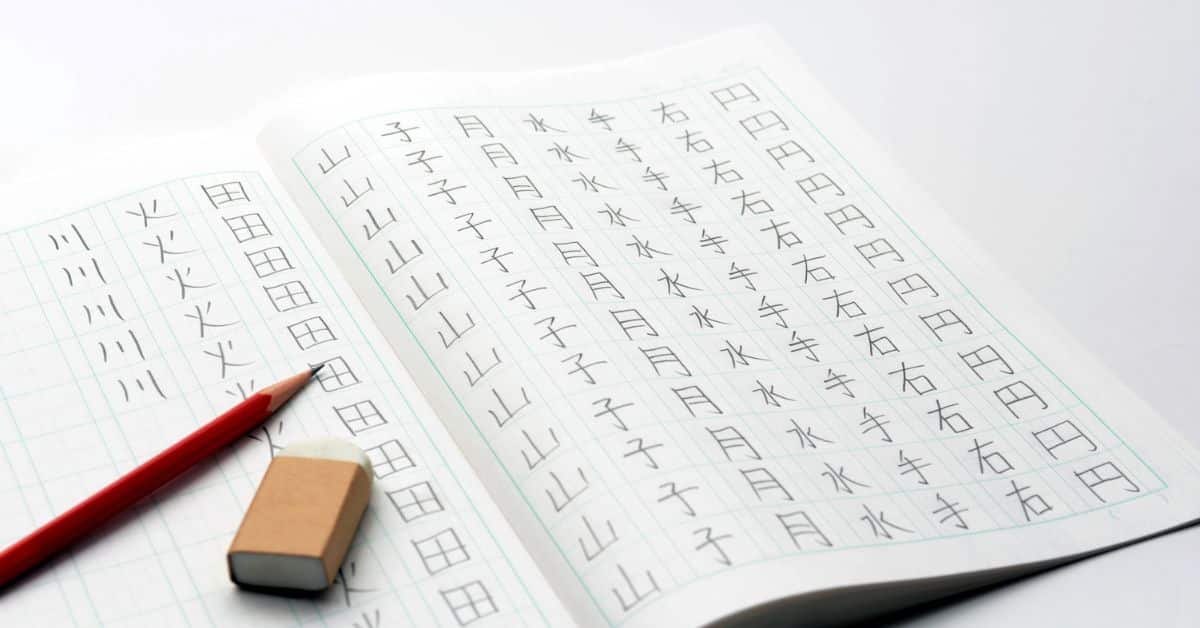
7 Effective Ways to Remember Chinese Characters
Struggling with Chinese characters? Discover 7 easy and effective ways to memorise faster and improve retention with simple, practical learning techniques.

Higher Chinese vs Chinese: What Parents Should Know Before Choosing
Understand the key differences between Chinese and Higher Chinese, including learning expectations, workload and factors parents should consider when choosing the right subject for their child.

Keeping the Flame Alive: How Mavis Tuition Centre Supports Children in Learning Chinese
In today's rapidly changing world, academic success is just one aspect of a child's development.Learning Chinese is a beautiful journey filled with excitement and challenges, especially when it is a child's mother tongue.